That dandelion at your feet might be a triploid clone — Japan's quiet "Dandelion War" and an evolutionary cheat code
Parks, roadsides, the corners of sports fields. Every April, Japan is carpeted with yellow dandelions.
So familiar you probably don't even look twice. But there's something you may not know: a decades-long "Dandelion War" is quietly unfolding right under your feet.
And the strategy the invader is using — "carry three chromosome sets, and mass-produce seeds without any pollination" — is, from a textbook biology standpoint, completely wild. In this column I'll unpack what's actually going on, using nothing more than middle-school science.
🔗 Plantour: https://plantour.app/
Japan's dandelions aren't a single species
First things first: "dandelion" is not one species.
The main dandelions you'll find in Japan split roughly into these groups:
- Seiyō-tanpopo (Western dandelion) (Taraxacum officinale) — introduced from Europe. The main character of this story.
- Kantō-tanpopo (Taraxacum platycarpum) — native, from Kanto to southern Tohoku
- Kansai-tanpopo (Taraxacum japonicum) — native, western Japan
- Shirobana-tanpopo (white-flowering dandelion) (Taraxacum albidum) — native, white-flowered, common in western Japan
There are more — Ezo-tanpopo, Tōkai-tanpopo, and so on, each subtly different from region to region. Japan as a whole hosts more than 20 dandelion species.
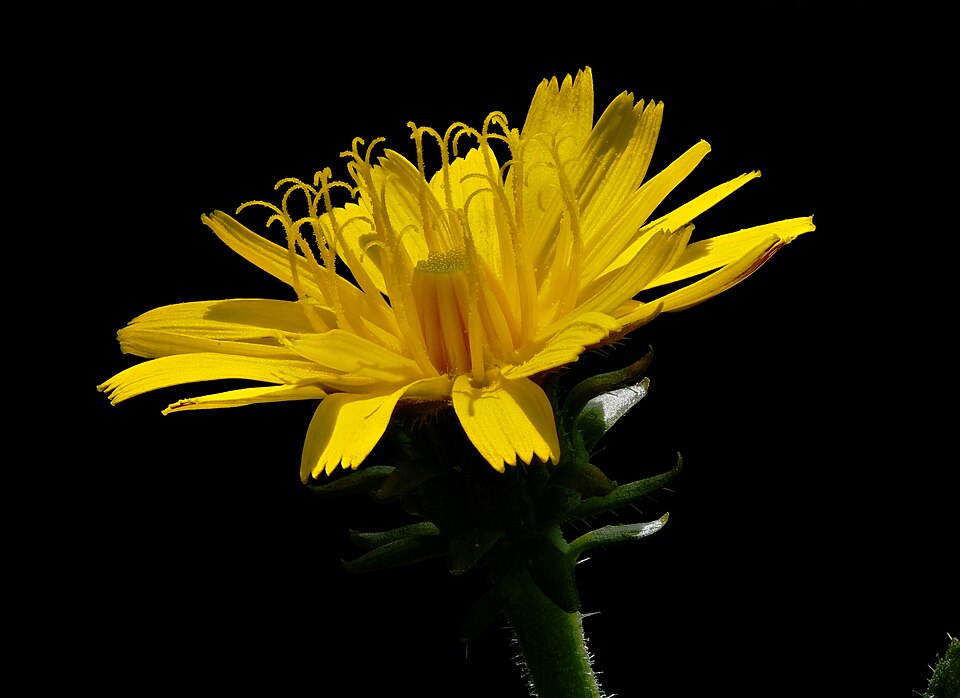
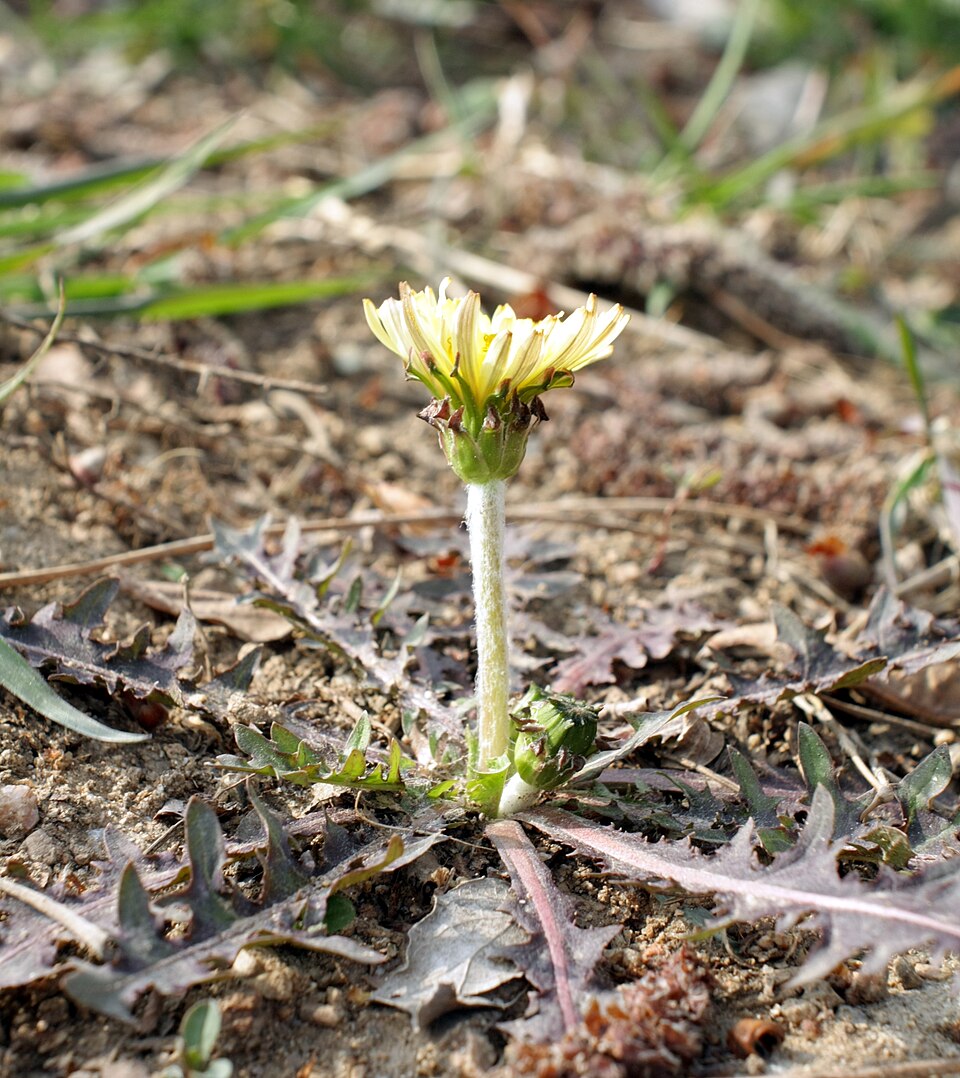
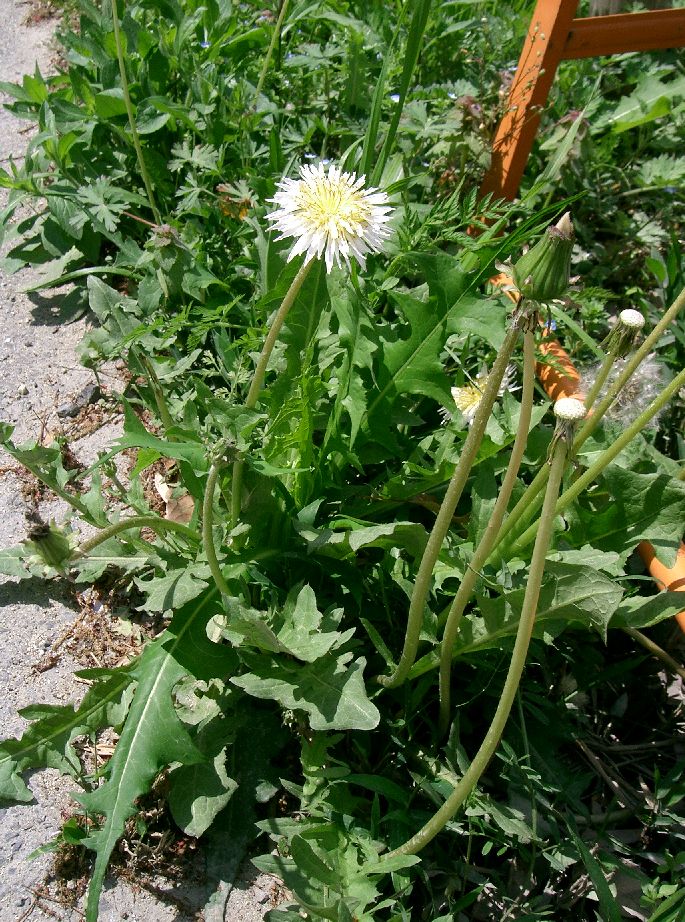
🧠 Native vs. introduced species A species that has always lived in an area on its own is called native. A species brought in from somewhere else by humans and established there is called introduced (or invasive). The Western dandelion was brought to Japan from Europe in the Meiji era and now blankets nearly the entire country.
How to tell them apart: flip the flower over
You can distinguish the Western dandelion from native ones at a glance, just by flipping the flower over and looking at the back. The thing to look at is called the involucral bracts (外総苞片 / sōhō-gaihen).
🧠 What are involucral bracts? Look at the back of a dandelion flower and you'll see small green "leaf-like" scales stacked up under the yellow head. That's the involucre, which wrapped and protected the flower when it was a bud. The outer row of those scales is the "outer involucral bracts".
The rule is dead simple:
- Outer bracts curled downward (reflexed) → Western dandelion (introduced)
- Outer bracts pressed tight, pointing upward → Native dandelion (Kantō / Kansai / Shirobana / etc.)
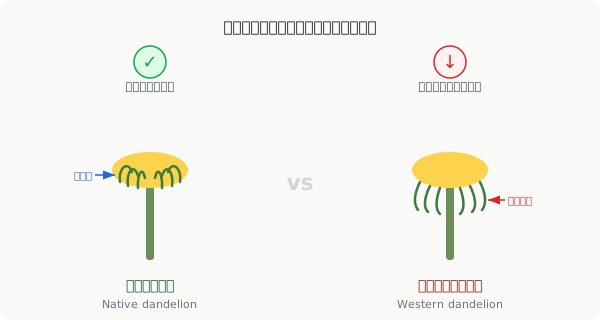
Next time you're out walking and you see a dandelion, gently flip it upside down. Nine times out of ten you'll see the bracts flared downward — that's a member of the "triploid clone army" this column is about.
The shock: Western dandelions skip pollination entirely
Now we get to the real story. To explain why the Western dandelion has been so successful, we need to start with two things from middle-school biology class: chromosomes and sexual vs. asexual reproduction.
Step 1. What's a chromosome? What's "diploid"?
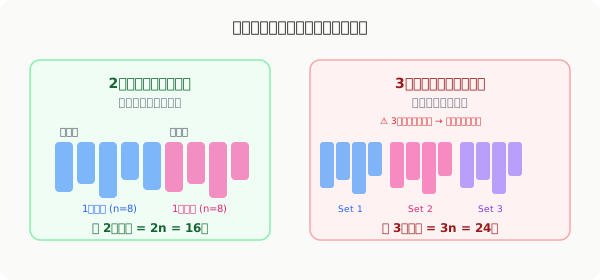
🧠 Chromosomes and ploidy The DNA that makes up a living thing's "instruction manual" is packed into thread-like structures called chromosomes. Humans carry two sets of them — 23 from the father and 23 from the mother, for 46 total. Having two sets is called being "diploid". Most animals and plants are diploid.
But ploidy can vary. A species can be "triploid" (three sets), "tetraploid" (four sets), and so on. In plants, this is surprisingly common.
Step 2. Sexual reproduction, asexual reproduction, and clones
🧠 Sexual vs. asexual reproduction When a pollen grain (carrying one set of chromosomes from the "father") combines with an egg (one set from the "mother") to make a new individual, that's sexual reproduction. The offspring gets half its genes from each parent, so it's genetically different from both.
In asexual reproduction, a parent copies its own genes wholesale to make offspring. The parent and child are genetically identical. An offspring made this way is called a clone.
Most plants and animals reproduce sexually. Pollen meets egg, a seed or a baby is produced. Both Kantō-tanpopo and Kansai-tanpopo do this — perfectly normal sexual reproduction.
Step 3. The Western dandelion's cheat: apomixis
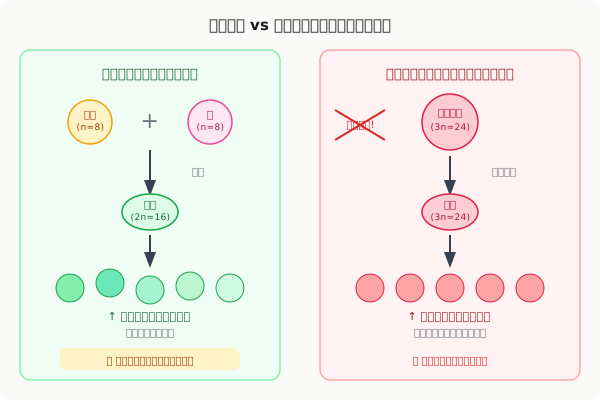
But the Western dandelion does something weird: it makes seeds without any pollen at all.
🧠 Apomixis (asexual seed production) Most flowering plants can't make seeds without pollen arriving and fertilizing the egg. But some plants have evolved the ability to make seeds entirely from the mother's own cells, with no help from pollen. This is called apomixis. Every seed produced this way is an exact clone of the mother plant.
So every Western dandelion seed is a perfect copy of its mother. The plant doesn't have to wait for a pollinator, doesn't have to find a mate. When the wind kicks up, hundreds of fluffy clone-seeds take off all at once.
Step 4. Why does being triploid lead to apomixis?
Here's where the chromosome stuff pays off.
The Western dandelion is triploid — three sets of chromosomes. And 3 is not an even number, so the normal machinery of sexual reproduction (a process called meiosis, which halves the chromosome number) simply doesn't work. You can't evenly split three sets in half.
Normally, that's a fatal flaw — a dead end. But the Western dandelion found a way around it: skip meiosis entirely, and pack the cells into seeds as-is. That's what apomixis really is. A "broken" sexual reproduction machine, repurposed as a clone factory.
The cheat's strengths and weaknesses
This strategy has some enormous advantages — and some subtle problems.
Strengths
- No mate needed — a single plant, on its own, can produce fertile seeds. Easy colonization of new ground.
- Mass production — energy that would've been spent on pollen exchange goes straight into making seeds.
- Winning combos stay winning — if the mother happens to have a gene combination that survives well, every single offspring gets the exact same combo.
- Year-round flowering — no need to synchronize with pollinators, so no need to concentrate blooming in spring.
That's why you see Western dandelions in places that punish ordinary plants — compacted soil, cracks in concrete, trampled lawns, roadside strips. Anywhere, any time of year. That's why it looked like the Western dandelion had swallowed all of Japan.
Weaknesses
- Genes are frozen — the clones can't evolve. Every offspring is identical to the parent.
- No diversity — a single new disease could wipe out an entire population.
- Long-term dead end — lineages that abandon sexual reproduction tend, over geologic time, to go extinct.
The Western dandelion's strategy is basically "short-term total war". It can blanket a continent in decades, but over millions of years, giving up sex is usually a ticket to extinction.
Then 2000s research dropped a twist
Everything above sounds like "Western dandelion is crushing the natives". But starting in the 2000s, Japanese researchers looked carefully at chromosomes and DNA, and found something unexpected.
A large fraction of the plants everyone had been calling "Western dandelion" in Japanese cities turned out to be hybrids — crosses between Western dandelions and native Japanese dandelions.
🧠 What's a hybrid? The offspring produced when two different species (or two different lineages of the same species) interbreed. A "liger" — the child of a lion and a tiger — is a famous example. In plants, cross-species hybrids are far more common than in animals.
So the Western dandelion isn't purely displacing the natives — in many places, it's partially fusing with them. Pollen from natives gets into "Western-looking" plants, and you end up with plants that look Western but carry native DNA inside.
The chromosome numbers of these hybrids are all over the place, too. When 3n Western pollen meets 2n native eggs, you get triploids carrying native genes, tetraploids (four sets), and everything in between. Survey urban dandelions at the chromosome level and you'll find diploids through tetraploids side by side — a genetic mosaic completely invisible to the naked eye.
The "Dandelion War" turns out to be more like "Dandelion genetic merger" — and that's much more interesting than the simple invasion story most textbooks tell12.
Bonus: why is the dandelion so successful as an Asteraceae?
Stepping back: why is the dandelion so ridiculously successful in the first place? The answer lies with the plant family it belongs to — Asteraceae.
Asteraceae is one of the largest plant families alive
The Asteraceae hosts around 24,000 living species — making it one of the biggest flowering-plant families on Earth. Dandelion, sunflower, chrysanthemum, cosmos, daisy, burdock, lettuce, thistle — all of them are in this family.

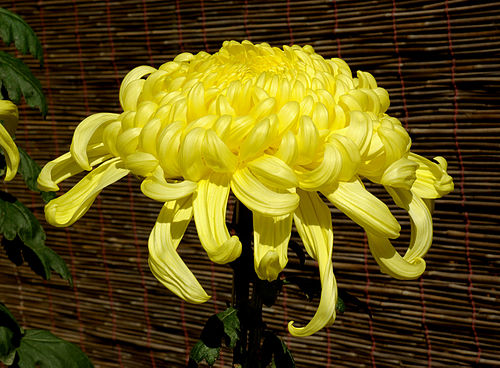
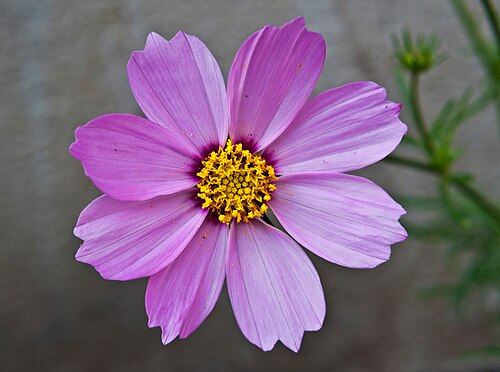
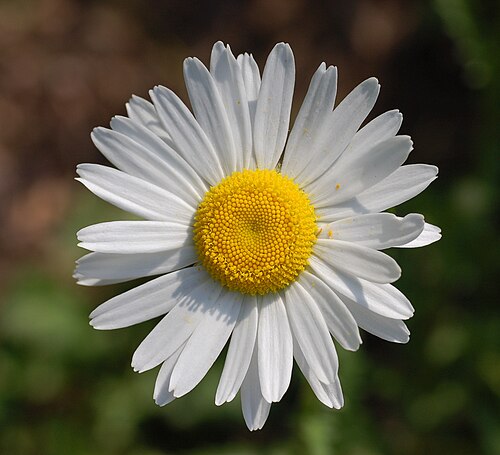
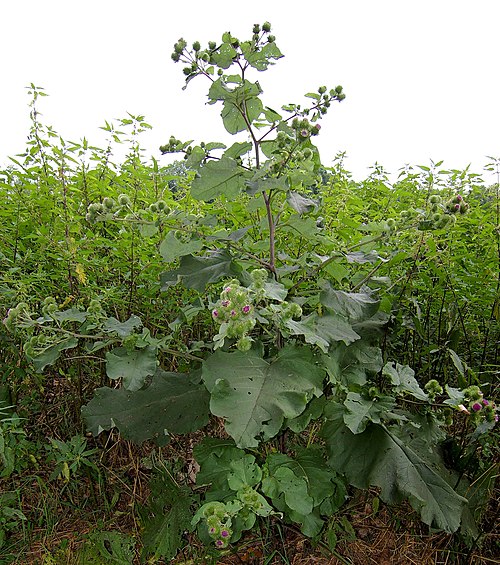
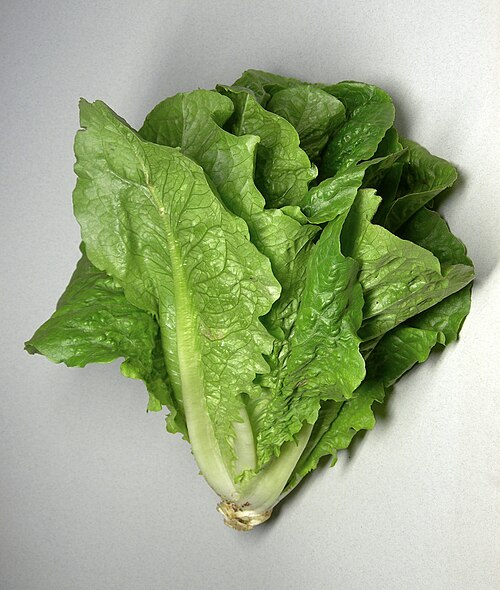
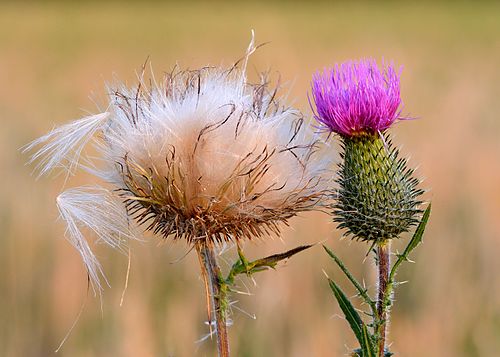
All Asteraceae — wildly different in appearance, but united by the capitulum
The Asteraceae owes its success mainly to two inventions:
Invention 1: the capitulum (head inflorescence)
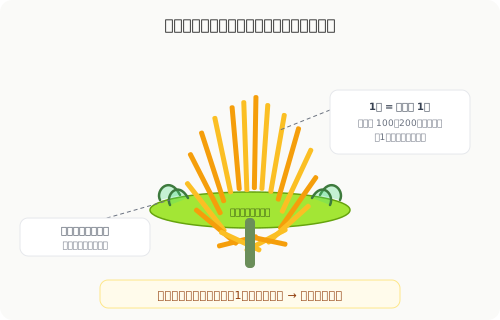
🧠 Capitulum (head inflorescence / 頭状花序) What looks like a "single big flower" is actually a tight bouquet of tiny flowers. A dandelion's yellow disk is really 100+ miniature flowers crammed together. Each of those mini-flowers is called a ligulate floret (舌状花).
By pretending to be one big flower, a dandelion gets pollinators to land once and pollinate roughly 100 flowers in a single visit — a huge efficiency gain for both sides. This "bouquet of tiny flowers" is probably the biggest reason the Asteraceae exploded in diversity.
👉 Want to see how the capitulum shows up in other members of the family? Open the Asteraceae family page →.
Invention 2: the pappus (fluffy parachute)
The fluffy "parachute" attached to a dandelion seed? That's actually an evolved sepal (calyx segment) that turned into hair-like bristles. It's technically called the pappus.
🧠 What's a sepal? The green part that wraps around a flower, visible most clearly when the flower is still a bud. In most plants it's a little leafy thing; in many Asteraceae, it's been repurposed into the feathery parachute that carries seeds on the wind.
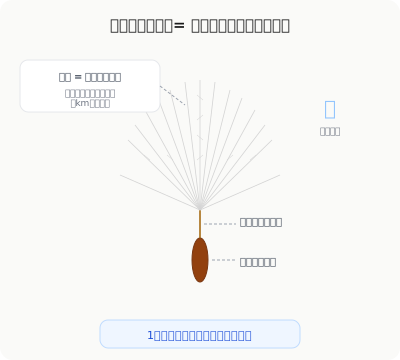
Wind-borne seeds travel kilometers at a time, letting the plant race to newly-opened ground and return fast to trampled patches. Half of the reason Western dandelions took over Japan's cities comes down to that physical parachute.
Try it on tomorrow's walk
Recap:
- "Dandelion" isn't one species — natives and invaders coexist in Japan
- Tell them apart by looking at whether the outer involucral bracts curl back — flip the flower and check
- The Western dandelion is a triploid clone army that cheats by making seeds without pollination
- That strategy wins short-term but probably dead-ends over deep evolutionary time, because the clones can't evolve
- Recent research found that most "Western dandelions" in Japanese cities are actually hybrids with natives
- The dandelion became a success story thanks to two Asteraceae inventions: capitulum and pappus
Just knowing this, tomorrow's dandelions will look completely different. Flipping one over and checking the bracts tells you whether you live in "invader territory" or "native territory". This is legitimate citizen science.
Keep exploring on Plantour
🌼 Compare the dandelions
Four dandelion species are in Plantour, with photos showing the involucre shape.
- Seiyō-tanpopo (Western dandelion) — introduced, triploid
- Kantō-tanpopo — native, diploid
- Kansai-tanpopo — native, diploid
- Shirobana-tanpopo (white) — native, white flower
👉 Browse the full plant list →
🌳 Find the Asteraceae on the phylogenetic tree
See how big Asteraceae is, and where it sits in the eudicots, in the interactive tree.
⏳ When did the Asteraceae originate?
The explosive diversification of the Asteraceae is one of the climactic moments of angiosperm evolution. Check when on the timeline.
👉 Open the evolution timeline →
🎯 Can you identify a dandelion by sight?
Practice identifying Asteraceae members with photos and 3D models in the quiz.
🔑 Use the identification key in the field
"Is this flower an Asteraceae, or something else?" — narrow it down by leaf and flower traits.
👉 Use the identification key →
Final thoughts
The dandelion is a "common weed" you could walk past for the rest of your life. But its true identity is a case study packed with cutting-edge biology — triploidy, apomixis, and hybridization, all in a single yellow flower.
The moment "that's a dandelion" turns into "is that a Western? A native? Or a hybrid?" is the moment a walk becomes detective work and a weed becomes a mystery.
Knowledge memorized as points disappears. Knowledge placed inside a story stays. I hope Plantour can be a nudge in that direction.
🔗 Try it: https://plantour.app/
References
Footnotes
-
Shibaike H, Akiyama H, Uchiyama S, Kasai K, Morita T (2002) "Hybridization between European and Asian dandelions (Taraxacum section Ruderalia and section Mongolica). 1. New insights from molecular phylogenetic analysis using ITS and chloroplast DNA." Journal of Plant Research 115: 321–328. ↩
-
Hoya A, Shibaike H, Morita T, Ito M (2006) "Germination characteristics of native Japanese dandelion autopolyploids and their putative hybrid derivatives with introduced dandelions." Journal of Plant Research 119: 113–119. ↩